
Cat Teeth: Dental Health Tips for a Happier, Healthier Cat
Caring for cat teeth helps support their comfort, daily habits, and overall health. Strong cat teeth allow cats to eat with ease, groom themselves, and enjoy life without oral discomfort. Many dental problems in cats start small, so understanding how cat teeth function and what affects their dental health helps pet owners make informed choices. Regular veterinary dental care, paired with daily awareness at home, creates opportunities to catch changes early. If you want tailored guidance for your cat, All Pets Vet Hospital in Branchburg, NJ welcomes your questions at 908-707-1555.
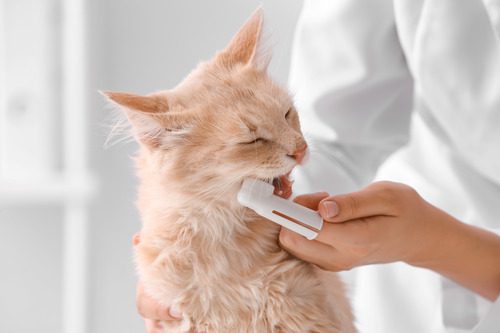
Why Your Cat’s Teeth Matter More Than You Think
Cat teeth serve several important roles in a cat’s daily routine, from eating to grooming. Although cats often appear low-maintenance, their dental structure requires ongoing support as they age. Many cats hide discomfort, so dental problems can progress for months before owners see outward signs. This makes early attention especially important, as healthy cat teeth contribute to better energy, better appetite, and improved comfort. Cat teeth are also prone to plaque and tartar buildup, which may lead to more advanced dental issues if not addressed during veterinary visits. Learning how cat teeth change over time gives you a strong foundation for supporting your pet’s well-being.
How Cat Teeth Are Designed
Cat teeth are built for gripping, tearing, and shearing food rather than grinding. Their sharp premolars and molars work much like scissors, which means any irregular wear, breakage, or inflammation can alter how they eat. Cats grow deciduous (baby) cat teeth early in life, then develop a complete set of permanent teeth by about six months of age. These permanent cat teeth must last a lifetime, so regular dental evaluations help monitor their condition. Cats typically have 30 permanent cat teeth, each with a specific shape and purpose. Your veterinarian evaluates all surfaces of these teeth during dental exams to detect early signs of disease.
Common Changes that Affect Cat Teeth
Even subtle changes can impact how cat teeth function. Cats may chew differently, drop food while eating, or show interest in food but avoid taking bites. You may also notice behavior differences, including hiding or decreased grooming, which can relate to dental discomfort. Because cat teeth issues often progress silently, routine visits to All Pets Vet Hospital provide valuable insight into your cat’s oral health. Our team examines the mouth for inflammation, buildup, fractured teeth, and other concerns that may require attention. For questions about dental visits, call 908-707-1555 to speak with a member of our staff.
Signs That Your Cat’s Teeth Need Attention
Cats excel at masking discomfort, so identifying subtle signs can help you take the next step toward protecting cat teeth. Many owners first notice behavior changes rather than obvious oral symptoms. These shifts can be mild at first, so it helps to understand what to look for. Knowing the early signs allows you to plan an appointment and prevent small issues from worsening. Below are some common indicators that your cat teeth may require a closer look.
Changes in Eating Habits
When dental changes occur, many cats adjust how they eat. Some may slow down, chew on one side, or approach food and walk away. Cats may also take longer to finish meals or appear selective about textures. Dropping food or leaving crumbs near the bowl are additional clues that cat teeth discomfort may be present. These habits do not always point to dental disease, but they signal that something is affecting how the cat uses their teeth.
Behavioral Changes at Home
Cats with oral changes often become quieter or less social. You may notice your cat sleeping more, avoiding being touched near the face, or spending more time alone. Some cats reduce grooming because certain movements feel uncomfortable. Since grooming is such an important part of a cat’s routine, this shift is often a clear sign that something may be affecting cat teeth or the surrounding oral tissues.
Visible Mouth Changes
Sometimes owners observe changes around the mouth that suggest dental discomfort. Common signs include drooling, pawing at the face, or slight swelling around the cheeks. You may also notice an unpleasant odor, which often results from plaque buildup on cat teeth. While halitosis alone cannot diagnose a specific issue, it does indicate that a dental evaluation may be beneficial.
What Affects Cat Teeth Over Time
Many factors influence the condition of cat teeth, even for indoor pets who live comfortable, protected lives. Understanding these influences helps pet owners stay aware of how dental problems can develop gradually.
Age-Related Changes
As cats grow older, their teeth and gums experience natural wear and changes. Senior cats often develop tartar more easily due to slower natural grooming behaviors and long-term plaque accumulation. Some older cats experience resorptive lesions or gum inflammation, conditions that require veterinary attention. Even if your cat appears comfortable, age increases the importance of routine dental evaluations at All Pets Vet Hospital in Branchburg, NJ.
Genetics and Breed Tendencies
Certain breeds experience dental concerns more often than others. For example, brachycephalic (flat-faced) breeds like Persians or Himalayans may develop crowded cat teeth, which can trap debris. Breeds with smaller jaws can experience faster tartar buildup due to limited spacing between cat teeth.
Diet and Daily Habits
Eating habits influence how cat teeth wear down and how fast plaque forms. Some cats prefer softer food textures, which may lead to less natural scraping action across tooth surfaces. Cats who chew less vigorously may accumulate buildup more quickly, so regular professional dental cleanings help support ongoing oral health.
How Regular Veterinary Care Protects Cat Teeth
Routine veterinary care at All Pets Vet Hospital serves an essential role in supporting cat teeth throughout life. Even a healthy-looking mouth can hide early dental changes below the gumline. Dental evaluations allow your veterinarian to identify early signs that pet owners may not notice on their own.
Professional Dental Evaluations
During a dental exam, your veterinarian checks each tooth for stability, appearance, and structural changes. They also evaluate the gums and surrounding tissues for inflammation. These assessments help determine whether further diagnostics or professional cleaning may be recommended. Early evaluation helps protect permanent cat teeth from long-term damage.
Professional Dental Cleanings
Veterinary dental cleanings allow for a complete view of all cat teeth and remove the buildup that accumulates with time. Cleanings focus on plaque and tartar on visible surfaces and below the gumline. When buildup is removed, the teeth look cleaner and the tissues around them stay healthier. Cleanings also give your veterinarian the chance to examine cat teeth for hidden issues that may not be obvious during visual exams alone.
The Value of Yearly Dental Checkups
Cats benefit from yearly dental evaluations because oral changes can develop quickly. These visits also offer the chance to review your cat’s eating patterns, behavior, and daily routine. When cats visit consistently, small changes are easier to notice and address promptly. To schedule a dental appointment for your cat, contact All Pets Vet Hospital at 908-707-1555.
Daily Habits That Support Strong Cat Teeth
Healthy habits at home help reinforce the work your veterinary team does during dental visits. These habits focus on awareness, observation, and regular support rather than offering any medical recommendations.
Observation Matters
Watching your cat’s behavior provides helpful insight into how their teeth feel from day to day. Notice how they eat, how they groom, and whether they display any sudden changes. These observations help you decide when it may be time to schedule a dental appointment.
Encouraging Healthy Behaviors
Healthy routines support cat teeth by promoting natural chewing behaviors and overall comfort. Offer enrichment that encourages gentle chewing and explore food textures your veterinarian recommends during visits. If your cat prefers softer textures, note any changes in their chewing style so you can mention them during your next appointment.
Creating a Dental-Friendly Routine
Small, consistent habits help you monitor cat teeth over time. Look at your cat’s face, mouth area, and eating habits weekly. While cats often hide discomfort, thoughtful observation helps you recognize subtle shifts that may benefit from a veterinary assessment.
A Practical Approach to Supporting Your Cat’s Teeth
Cat teeth require ongoing attention, and small habits go a long way in protecting your cat’s oral health. Regular dental evaluations, yearly checkups, and consistent observation at home all help strengthen the long-term health of cat teeth. Working with a dedicated veterinary team in Branchburg gives you the guidance you need to keep your cat comfortable as they age. If you have questions or want to schedule a dental visit, call All Pets Vet Hospital at 908-707-1555.
Recent Posts
About Us
Small description of the practice goes here - maybe pull from the About Us page?