
Dog Crates Done Right: Comfort, Training & Peace of Mind
A dog crate gives dogs a secure, personal space where they can rest, relax, and adapt to household routines. When introduced thoughtfully, a dog crate helps with training, travel, and creating a predictable environment that supports your dog’s comfort. Many pet owners in Branchburg ask how to use a dog crate in a way that feels safe and welcoming. This guide walks you through the practical benefits of crate training, how to set up a dog crate the right way, and what to expect as your dog adjusts. For personalized recommendations or to discuss your dog’s behavior with a veterinarian, call All Pets Vet Hospital at 908-707-1555.
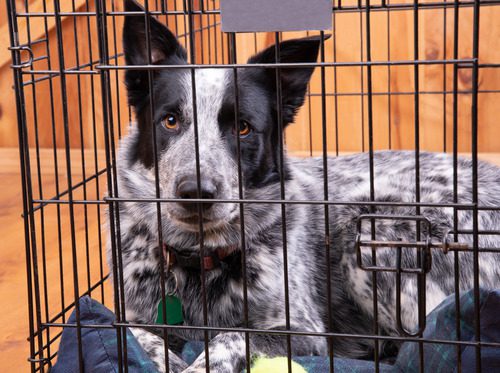
Why a Dog Crate Matters for Your Pet’s Comfort and Routine
A dog crate works best when it becomes a restful retreat instead of a place of confinement. Dogs naturally seek out small, protected areas, and a well-chosen dog crate offers a predictable environment where they can unwind. Many dogs adjust more quickly to new schedules when a dog crate helps establish morning and bedtime structure. It also encourages calm behavior during busy moments in the household. When you approach crate use with patience and positive reinforcement, your dog learns to treat the crate as a comfortable spot rather than something to avoid.
Choosing the Right Dog Crate Size and Style
Selecting a dog crate begins with sizing. A properly fitted dog crate gives your pet enough room to stand, stretch, and turn comfortably. When dogs have excessive open space, they may lose interest in using the crate as a cozy den. Wire crates offer ventilation and visibility, while plastic crates provide more privacy. Soft-sided options work well for calm, smaller dogs who enjoy plush surroundings. Think about your dog’s temperament, energy level, and preferred sleeping environment before narrowing down your choices. If you travel frequently, a crate with sturdy construction and secure latches will serve you well.
Where to Place Your Dog Crate in the Home
Location influences how your dog perceives their crate. A high-traffic, noisy area may overwhelm some dogs, while a distant room can make them feel isolated. Many families in Branchburg place their dog crate in a living space where their dog can observe daily activity without feeling overstimulated. Bedrooms also work well, especially for dogs who prefer close proximity to their owners overnight. Once you choose a spot, keep the crate consistently in that location so your dog builds familiarity.
How a Dog Crate Supports Daily Training and Household Structure
A dog crate contributes to smoother routines for both pets and people. When used correctly, it helps guide house training, prevent unwanted behaviors, and set expectations during busy parts of the day. Many dogs find comfort in having predictable crate times woven into their schedule. By keeping crate sessions short at first and gradually increasing duration, pet owners help their dogs develop confidence inside the crate.
Housetraining Benefits of a Dog Crate
A dog crate plays a helpful role in housetraining because it encourages dogs to hold their bladder until they go outdoors. Dogs instinctively avoid soiling the areas where they sleep, so the crate becomes a natural cue for good habits. Frequent outdoor breaks paired with praise help build a reliable routine. When accidents happen, as they do with all puppies, focus on consistency instead of punishment. With time, your dog associates the dog crate with restful downtime and learns to wait for the next scheduled outdoor break.
Managing Busy Times and Building Independence
Many owners use a dog crate to help their pets develop independence during moments when free roaming isn’t possible. This includes mealtimes, household chores, or when guests arrive. Short crate sessions help dogs settle without becoming overly stimulated. As your dog becomes comfortable, you may notice reduced pacing, barking, or attention-seeking behaviors. A dog crate also teaches your pet that alone time is part of the household routine, which supports healthier long-term behavior.
Helping Your Dog Adjust to New Experiences with a Dog Crate
Some dogs immediately embrace their crate, while others need a slower introduction. Patience and consistency help your dog see the crate as a positive space rather than something unfamiliar. Introduce the crate gradually and build trust through encouragement, predictable routines, and gentle guidance.
Introducing the Dog Crate Step-by-Step
A welcoming introduction begins with leaving the crate open so your dog can explore freely. Place bedding inside to create a soft environment and use calm praise when your dog shows interest. Short sessions inside the crate with the door open build positive associations. Once your dog relaxes comfortably, start closing the door for brief periods and offer reassurance. Gradual progress sets the stage for long-term success and prevents frustration or confusion.
Creating a Calm Environment Inside the Crate
A dog crate should feel like a restful space. Soft bedding, a favorite toy, or an item that carries familiar scents help your dog settle. Avoid clutter; a dog crate works best when it remains simple and soothing. A predictable schedule teaches your dog when crate time happens and when outdoor breaks follow. Dogs thrive on consistency, and routine strengthens their sense of security.
Traveling Safely with a Dog Crate
Travel introduces unfamiliar sounds, scents, and motion, and a dog crate helps your dog feel grounded in those moments. Whether you travel by car or need a secure way to transport your dog for an appointment at All Pets Vet Hospital, a travel-approved dog crate improves safety and comfort. Dogs experience less stress when they recognize the crate as their familiar space.
Choosing a Crate for Car Travel
A crash-tested crate or sturdy plastic carrier offers reliable protection during car rides. Position the crate in the back seat or cargo area where it remains stable and free from shifting. A well-fitted crate prevents excessive movement and gives your dog predictable boundaries during travel. Keeping the crate consistent with the one you use at home can also help your dog settle more quickly.
Helping Dogs Transition Between Home and Travel Crates
If you use a separate crate for travel, introduce it at home first. Allow your dog to sniff and explore so it feels familiar before a car ride. Short practice trips help your dog adjust to motion and new environments. When you return home, place the crate in a familiar room to maintain continuity.
How a Dog Crate Supports Peace of Mind for Pet Owners
A dependable dog crate benefits both you and your dog every day. When your dog relaxes comfortably in their crate, you gain confidence knowing they have a safe, predictable space that supports healthy routines. Many owners appreciate the sense of structure a dog crate brings to their household. As your pet learns to rest inside the crate, you gain more flexibility during busy or unpredictable moments.
Using a dog crate responsibly gives your dog consistency, comfort, and a quiet place to unwind. If you have questions about crate training or want guidance tailored to your dog’s needs, reach out to All Pets Vet Hospital in Branchburg at 908-707-1555. Our veterinary team is here to support your pet’s well-being and help you choose options that fit your family’s lifestyle.
Recent Posts
About Us
Small description of the practice goes here - maybe pull from the About Us page?